
What Is Emotionally Focused Therapy (EFT)?
Picture this: you reach for your partner—hoping to feel close—but they turn away. You feel hurt, rejected, maybe even angry. You raise your voice or demand an answer. They retreat further, trying to avoid another fight.
Now you’re both hurting, both protecting yourselves, and both wondering, “Why can’t we just get back to us?”
This is the cycle many couples find themselves in. It’s not a fight about the dishes—it’s a protest for connection- the need to be seen, understood, and cared for. Yet, the way individuals have learned to cope and manage their unspoken emotions creates a cycle of distance where you end up feeling further apart than closer together.
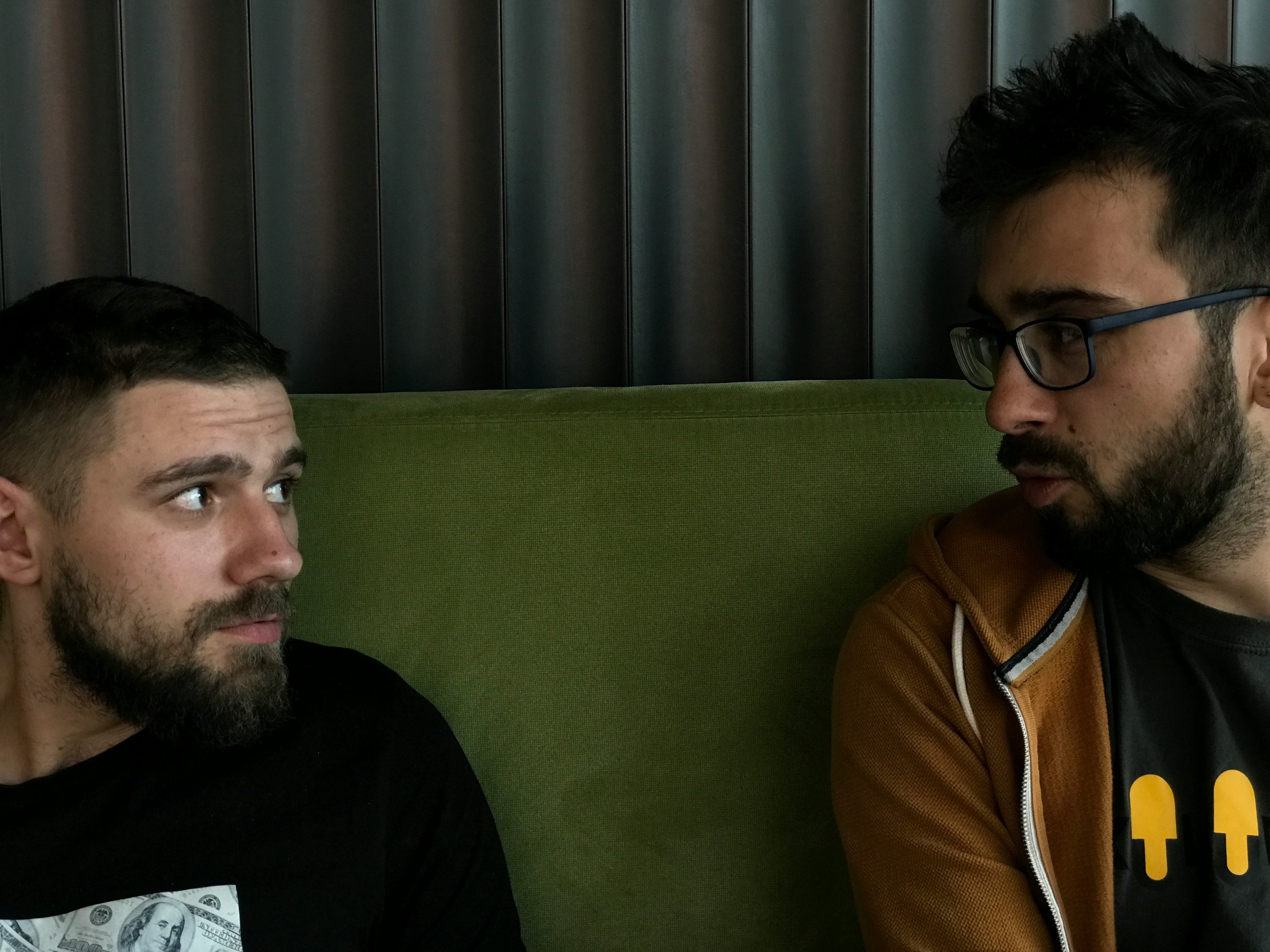
When partners feel disconnected, they often slip into roles that protect them from pain. One might pursue, seeking closeness through questions, intensity, or protest. The other might withdraw, staying quiet or shutting down in an effort to keep the peace. It’s a dance that feels impossible to stop.
By the time couples arrive in my office for therapy, they’re usually caught in this painful loop: arguing about the same things, feeling unseen, or growing more distant despite their longing to feel close.
Beneath every argument lies the same quiet plea: Do you see me? Do I matter to you? Can I trust that you’re here with me?
Emotionally Focused Therapy (EFT) helps couples recognize this pattern for what it is—a signal of disconnection, not dysfunction. Once you can both name it, you can begin to stand together against the cycle instead of against each other.
EFT isn’t about quick communication tips or surface-level strategies. It’s about understanding the emotional currents that pull you apart—and learning how to reach for each other in ways that feel safe and connected.
Rooted in attachment theory and decades of research, EFT views emotion as the pathway to healing. When partners learn to explore what’s happening beneath anger, defensiveness, or withdrawal, they uncover the softer feelings—fear, sadness, longing—that open the door back to closeness and trust. beneath these moments. It’s not about blame or communication techniques. It’s about healing the emotional bond that makes love feel safe again

What an EFT Session Looks like
Once couples can see their pattern, EFT helps them understand the emotions beneath it—the fear, shame, or longing that often goes unspoken. It’s not about fixing or winning the argument; it’s about recognizing what’s really happening inside and finding new ways to reach for each other.
Here’s what that process often looks like:
Notice what’s happening. Recognize when you’re caught in the pattern—what triggered it, what you’re feeling in your body, and what story your mind is telling.
“When you looked away just now, I felt my stomach tighten.”Explore what’s underneath. Ask yourself what that feeling is protecting.
“When I sense you pulling back, I feel small—like I’m too much or not enough.”Name your need. Identify what would help you feel safe and connected.
“I need to know that even when we disagree, you still want to stay close.”Reach with vulnerability. Share your inner experience in a way that invites empathy instead of defense.
“I’m not angry—I’m scared that I’m losing you.”
These moments—of noticing, naming, and reaching—begin to reshape the relationship. Partners start to see that beneath the conflict is a longing to feel secure, valued, and loved.

What You’ll Learn in EFT
Through this process, you’ll learn how to:
Identify emotional triggers and understand their roots
Recognize your partner’s reactions as protection, not rejection
Respond with empathy and emotional clarity instead of defense
Rebuild trust, safety, and emotional closeness
Create new patterns of reaching and responding
EFT isn’t about being perfect—it’s about learning how to stay emotionally connected, even in hard moments.

EFT Therapy: From Disconnection to Closeness
At its heart, EFT helps couples remember what they’re really fighting for—connection, safety, and love. When you begin to see your patterns with compassion instead of blame, every conflict becomes a chance to reach for each other instead of turning away.
✨ If you’re ready to understand your cycle and create a relationship that feels secure and alive again, EFT offers a path back to trust, tenderness, and connection.
